How Do I Position My Property Portfolio for the Next Australian Property Cycle?
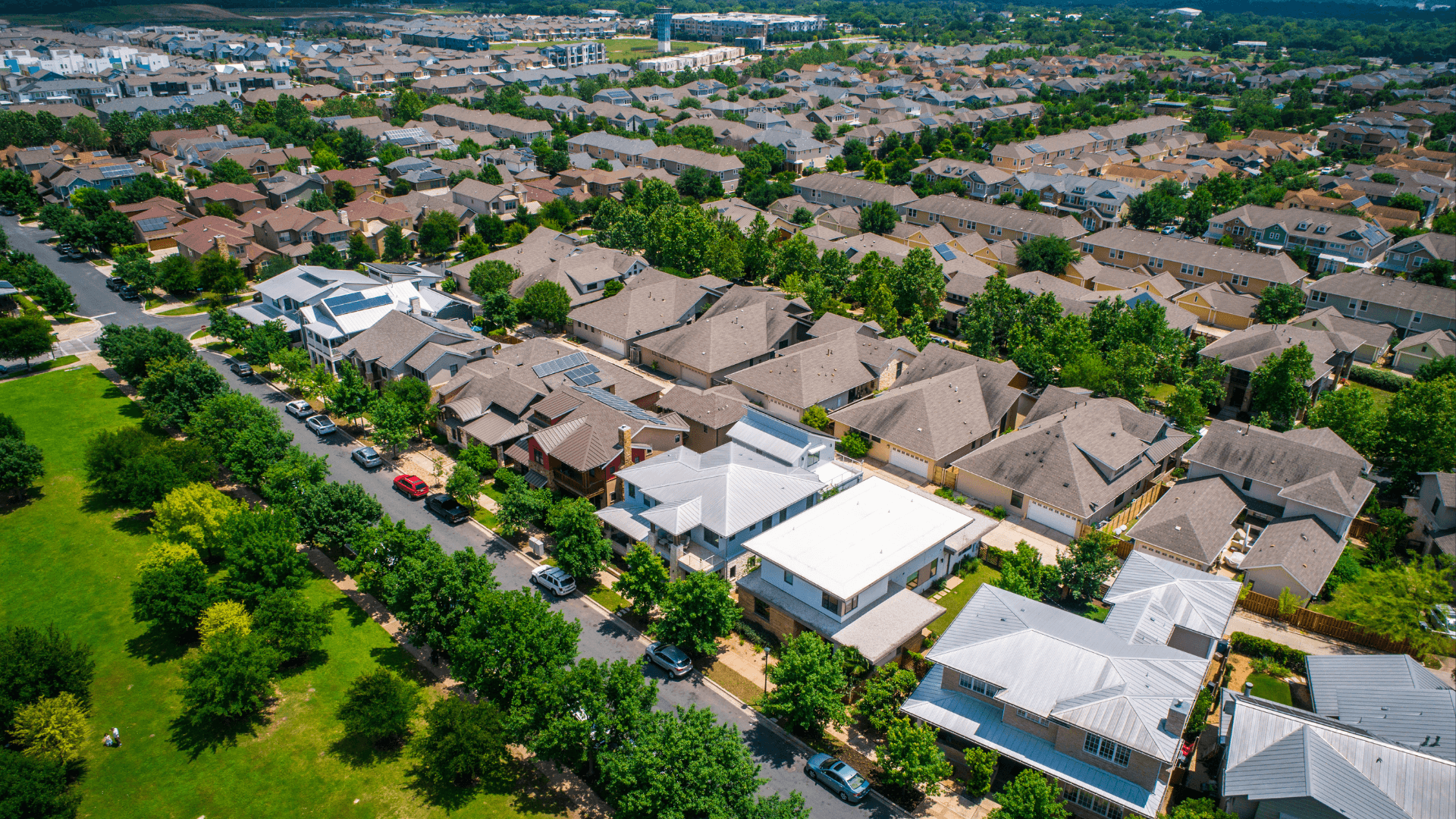
Preparing for the next Australian property cycle starts with understanding and strengthening your existing financial position. Investors should review cash flow, borrowing capacity, debt structure, financial reserves and individual property performance before deciding whether to acquire another asset.
No investor can reliably predict exactly when the next property cycle will begin.
However, established investors can take steps to improve their ability to respond to changing market conditions.
Why Portfolio Positioning Matters in 2026
Australia's property market is influenced by interest rates, lending conditions, housing supply, population trends and local economic performance.
These factors don't affect every market equally.
A strategy based solely on predictions about interest rates or national property prices may overlook more important financial considerations.
For investors with multiple properties, the first priority should be understanding their existing position.
Step 1: Review Your Existing Properties
Assess each property's market value, outstanding debt, rental income, operating expenses and overall performance.
Identify properties that contribute effectively to your objectives and those that may require attention.
Step 2: Assess Borrowing Capacity and Debt Exposure
Higher property values don't automatically create additional borrowing capacity.
Review existing repayments, available income, finance arrangements and lender requirements.
This is especially important for investors who have accumulated several properties.
Step 3: Strengthen Financial Resilience
The RBA's October 2026 Financial Stability Review reported that most Australian mortgage borrowers continued to hold substantial financial buffers.
The review also reported that the median borrower had more than one year of scheduled mortgage repayments available in offset and redraw accounts.
This is a system-wide observation, not a recommended reserve for every investor.
Each investor should determine an appropriate financial buffer based on their own commitments and circumstances.
Step 4: Understand Housing Supply and Market Fundamentals
The ABS reported that dwelling approvals declined 6.1% in August 2026, while private-sector approvals for dwellings excluding houses fell 21.2%.
Building approvals can provide insight into potential future supply, but they don't directly predict property prices.
Local employment, population trends, rental demand and housing supply should all be considered.
Step 5: Compare Your Next Strategic Options
Established investors generally have three broad choices.
Buy another property: Consider an acquisition where the opportunity and financing support your objectives.
Reduce or restructure debt: Review whether changes to existing financial commitments could improve resilience or flexibility.
Hold and optimise: Improve existing portfolio performance while preserving capacity for future opportunities.
Each option should be evaluated against long-term objectives and financial risk.
Investor Scenario: Preparing Without Rushing to Buy
Consider an investor who owns three properties and has accumulated substantial equity.
They believe softer prices may create an opportunity to purchase another asset.
However, borrowing capacity is limited and available cash reserves are modest.
Rather than immediately purchasing, they review existing financing arrangements, improve liquidity and research potential markets.
This approach doesn't guarantee a better outcome, but it may leave them better prepared to assess future opportunities.
Watch The Ramsey Report: How Should Investors Prepare for the Next Property Cycle?
As Australia's property market continues to evolve, established investors face important decisions about their existing assets and future opportunities.
In the latest episode of The Ramsey Report, Ewan Ramsey and Dr Prabath discuss changing interest rates, borrowing conditions, housing supply and the importance of research-led portfolio planning.
They explore why understanding your current financial position is essential before deciding whether to expand, restructure or optimise your portfolio.
Watch the full episode to explore how established investors can prepare for changing market conditions and make more informed property investment decisions.
YouTube Button: https://youtu.be/vUNjKTWfzLg
Related Reading: Understanding the Australian Property Market
Preparing for the next property cycle requires an understanding of changing market conditions and how they may affect your existing investments.
Read The Great Property Divide: What Australia's Housing Market Is Really Telling Investors in 2026 to explore why Australian property markets are behaving differently and what this may mean for portfolio positioning.
Article Contributors

Written by: Ewan Ramsey
Founder and CEO, Ramsey Property Wealth
Research by: Dr Prabath Morawakage, PhD, CPA
Head of Property Economics and Intelligence, Ramsey
Property Wealth